From Turing's Question to the Frontier of AGI
Machines can write code, pass exams, and hold conversations — but how did we get here? This book is the complete story. 15 chapters on how intelligence learned to learn, who's building the frontier, and what it means for all of us.
Newly published by Robonaissance. 3–5 deep-dive articles weekly on AI, robotics, and the future of civilization.
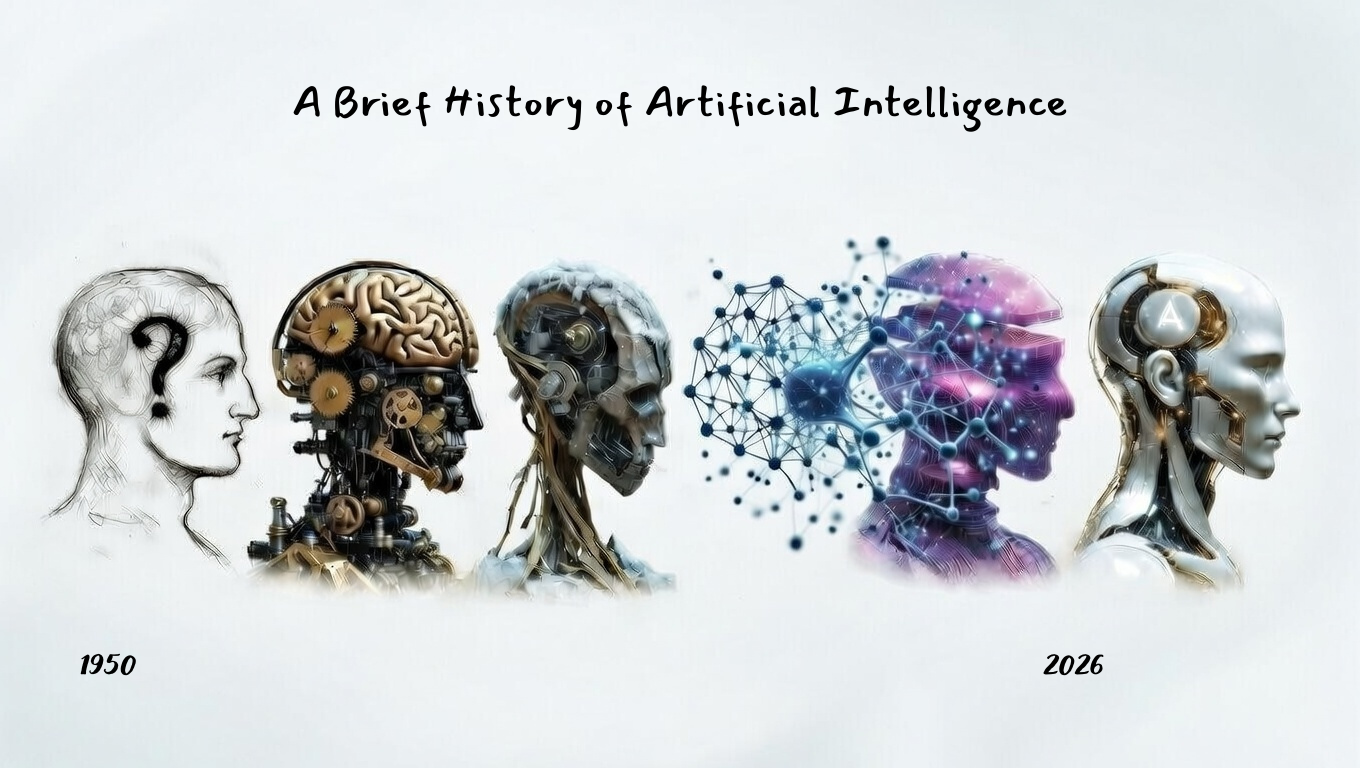
From Turing's 1950 thought experiment to the race toward AGI. The first three chapters are free — unlock the full 15-chapter journey.
How Turing replaced an unanswerable philosophical question with a testable game — and launched an entire field.
The Dartmouth dream: why early AI believed logic was intelligence, and why that confidence was both justified and catastrophically wrong.
What happened when the money ran out and the promises failed. What failure taught that success never could.
Why showing examples beats writing rules, and how the Perceptron shifted AI from specification to training.
How ImageNet proved that "more data" often beats "better algorithms," and what the scaling hypothesis revealed.
How neural networks learned that king − man + woman = queen, and why good representations make hard problems easy.
"Attention Is All You Need." What transformers really changed, and why context became computation.
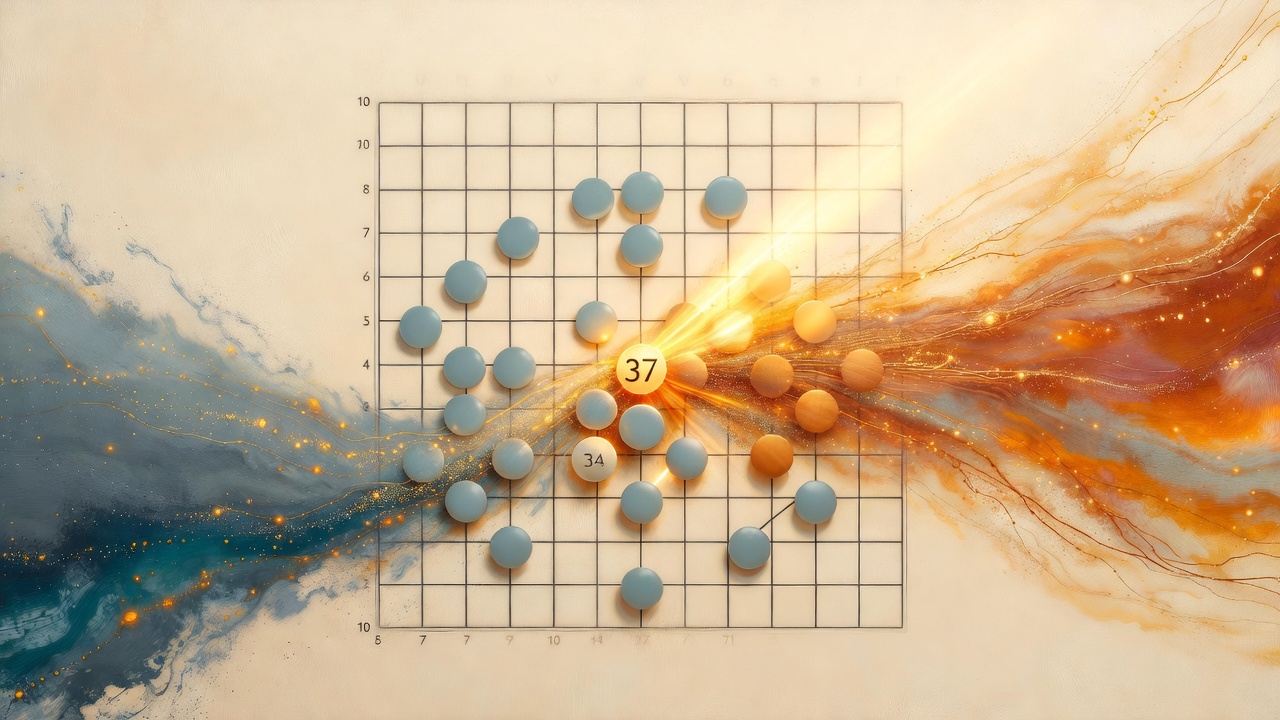
AlphaGo, Move 37, and why reinforcement learning points beyond language to agents that learn through action.
Why bigger becomes different. How capabilities emerge unpredictably at scale, and where scaling hits its limits.
The imitation game revisited. What it means when machines pass tests without necessarily understanding them.
Why prediction requires compression, compression requires understanding, and what information theory reveals about intelligence.
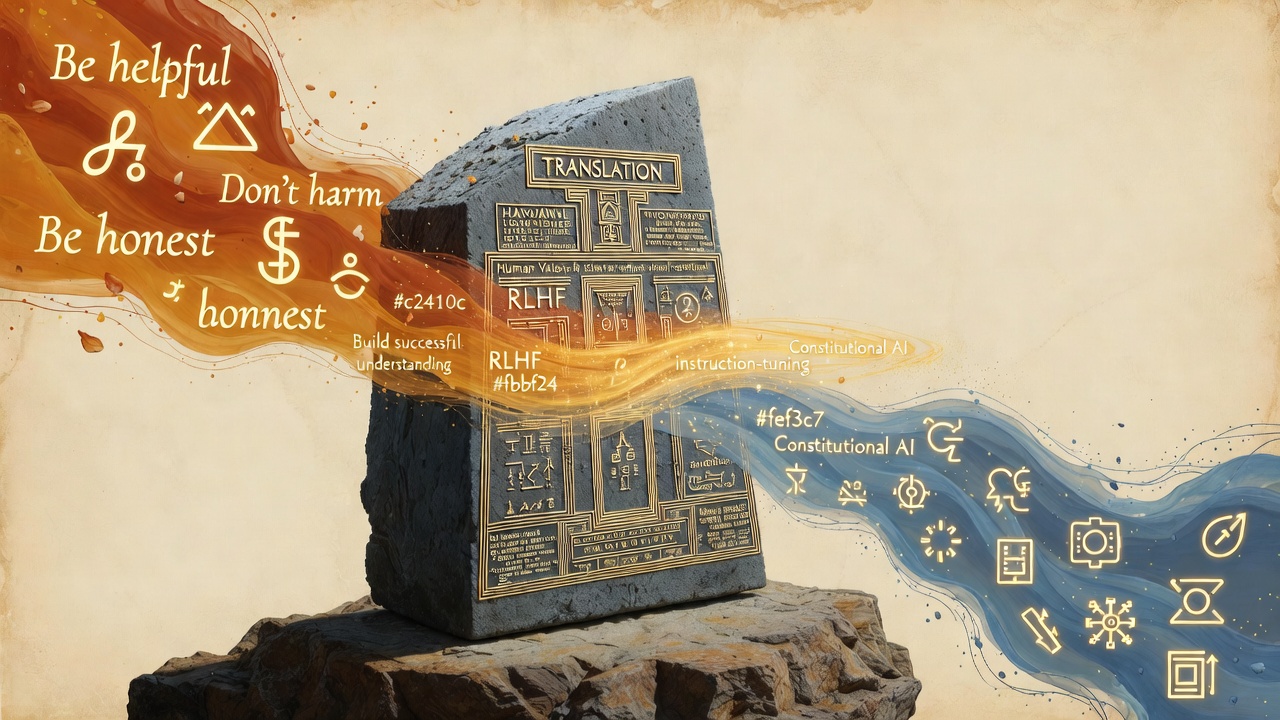
How RLHF steered raw capability toward useful behavior. Why alignment is an ongoing challenge, not a solved problem.
How AI is learning to model how things work, not just what they look like. Why causal understanding matters more than statistical patterns.
When learning meets reality. How embodied intelligence differs from digital, and why the physical world grounds understanding.
What we've learned, what we don't know, and where the path leads. Why intelligence is a direction, not a destination.
Whether you're an engineer training models, an investor evaluating AI companies, or simply someone who wants to understand the technology reshaping the world.
You use ChatGPT daily but want to understand how it works, where it came from, and where it's going next.
Evaluate the AI boom with frameworks for separating real progress from hype. Understand scaling laws, moats, and what's left to solve.
Gain the full historical arc — from perceptrons to transformers to AGI — and see how your work fits the bigger picture.
No technical background needed. This book explains why AI matters, how it really works, and what it means for the future of work and humanity.
Perspectives from readers across tech, investing, and beyond.
"The clearest explanation of how we got from Turing to transformers to physical AI that I've ever read. No jargon, just real insight."
"I finally understand why scaling works, where it breaks down, and what the alignment problem really means."
"Required reading for anyone investing in the AI wave. Chapters 9–12 alone are worth the subscription."
Read the first three chapters at no cost. Subscribe to unlock the complete 15-chapter journey.
In the summer of 1950, a 37-year-old mathematician at the University of Manchester published a paper that asked one of the most provocative questions of the twentieth century.
Alan Turing didn't ask "Can machines think?" — not directly. He knew the question was a trap. Instead, he proposed a game. A human judge converses with two hidden players: one human, one machine. If the judge can't reliably tell which is which, Turing argued, the question of whether the machine "really" thinks becomes irrelevant.
The Imitation Game, as Turing called it, was a stroke of genius — not because it solved the problem of machine intelligence, but because it dissolved it. By replacing an unanswerable philosophical question with a testable behavioral one, Turing made intelligence visible for the first time...
75 years of breakthroughs. Billions of parameters. A question Turing asked in 1950 finally getting answered. Understand what's happening — and what comes next.